U.S. Military Forces in the Caribbean
As an analyst who has worked on security issues for over 30 years, I've been monitoring the US military build-up in the Caribbean for months...
Washington has described Maduro as the leader of a terrorist group and deemed his regime illegitimate.
The US has named its mission in the Caribbean Sea and eastern Pacific Ocean "Operation Southern Spear" and briefed President Donald Trump on military options.
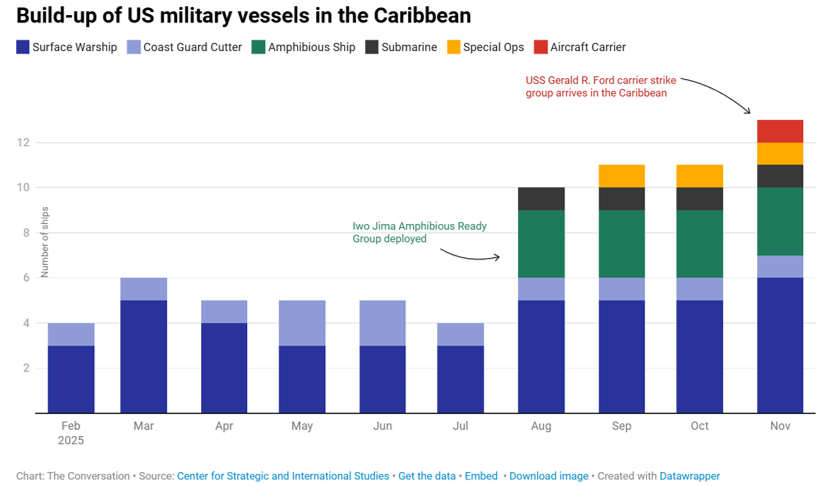
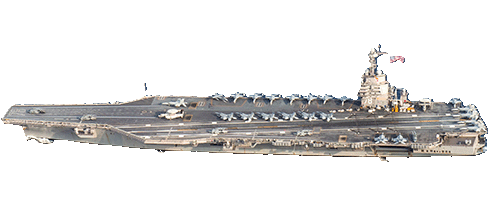
The arrival of the USS Gerald R. Ford gives the US Joint Task Force established in the region the option to launch a high volume of attacks against land targets, should Trump give the order. According to media reports, there are now 15,000 troops in the region, including marines on ships and some 5,000 personnel at bases in Puerto Rico.
This massive deployment has, arguably, sought to convince Maduro's loyalists that US action is now an option on the table.
The message is clear: if a military solution is pursued, the US is highly likely to be successful.
Key naval elements
.png)
Ships
.png)
.png)
.png)
.png)
.png)
.png)
.png)
.png)
.png)
.png)
.png)
.png)
.png)
Aircraft
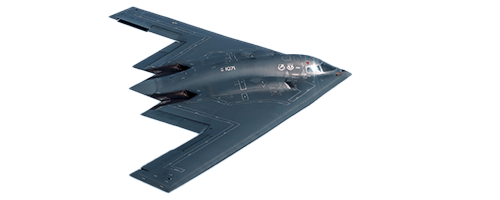
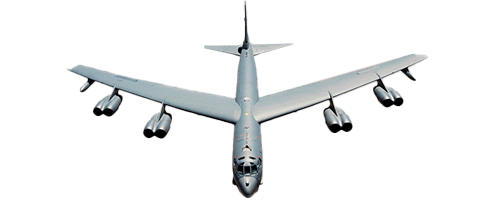
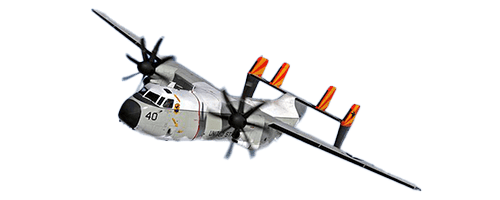
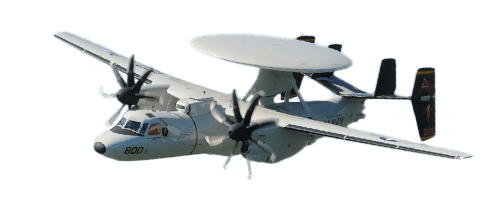
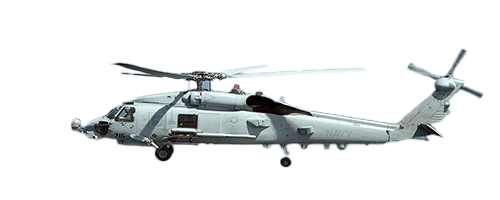
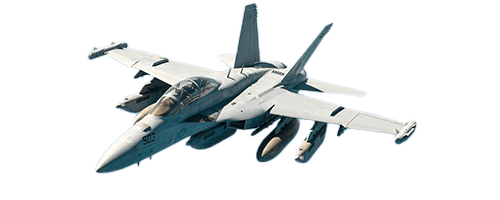
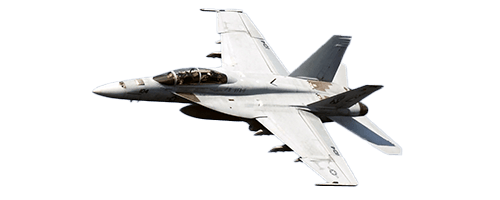
This quantity of US military hardware in the region has not been seen since "Operation Uphold Democracy" in Haiti in 1994, when American-led forces helped end the military regime that had overthrown the democratically elected government.
USS Gerald R. Ford
The most modern aircraft carrier in the US Navy is the Gerald R. Ford aircraft carrier. Its ability to rapidly launch and recover the 75 modern fighter aircraft on board would allow it to generate a significant number of strikes against Venezuelan targets. This would serve as a complement to the substantial numbers of missiles and other weapons on the other ships in the region.
USS Iwo Jima
It joins an Iwo Jima Amphibious Ready Group. This group includes a helicopter dock ship and two landing platform vessels capable of transporting the 2,200 marines of the 22nd Marine Expeditionary Unit and their vehicles and equipment onto land, should they be needed.
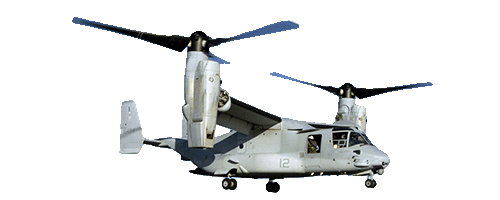
V-22 Osprey
If such an event occurs, they would be transported by V-22 tilt-rotor aircraft, helicopters and rapid air cushioned landing craft with the capacity to carry marines and heavier equipment over the beach to their objectives.
Missile Destroyers
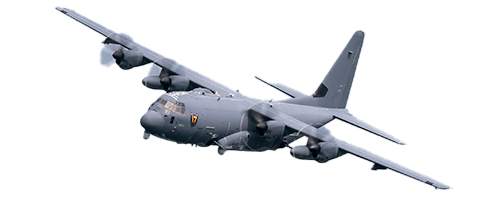
In addition, the US has six destroyers and two cruisers with hundreds of missiles for both land attack and air defence and an AC-130 gunship capable of delivering high volumes of missiles against land targets.
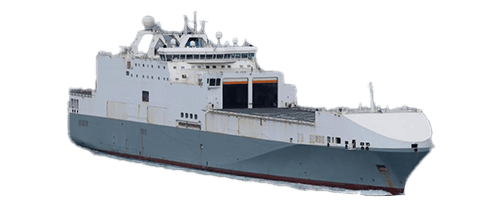
MV Ocean Trader
The special operations force's support ship, the "Ocean Trader", is also in the region and there is at least one attack submarine under the water's surface.
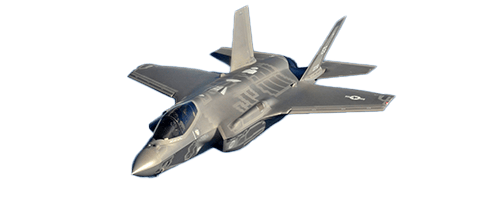
F-35 fighter jets
Then on nearby US territory in Puerto Rico, the US has at least 10 F-35s, the most advanced fighter jet in the world. Flight tracking shows on November 21 at least four additional aircraft were flown into the region from the US.
B-52 heavy bomber
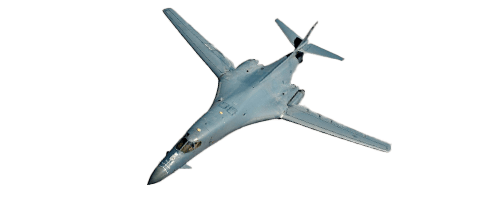
These capabilities are further complemented by rapidly deployable assets from nearby bases in the continental US, from which the US has already flown sorties with B-52 and B-1 bombers.
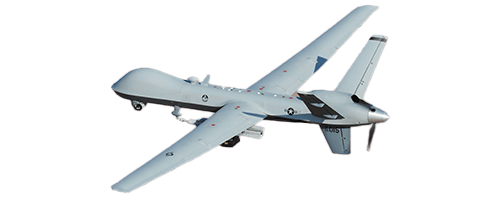
Predator drone
At least one MQ-9 Reaper attack and surveillance drone has also been deployed in the region.
A chunk of US military hardware has been moved here, including F-35 fighter jets, helicopters and an AC-130 gunship.
The base can now support high volume flight operations and larger aircraft.
The imbalance of military firepower cannot be overstated. The small number of man-portable Igla-S anti-aircraft weapons that Maduro can rely on could take out a handful of US helicopters. But it is likely that few are in workable condition and even those may not be in the hands of people who know how to use them.
Venezuela has around 63,000 soldiers, 23,000 troops in the National Guard and 15,000 marines. There are also unknown thousands in the militia. A submarine, two frigates, two corvettes and several missile and patrol boats are patrolling the coast. But they are massively dwarfed by the number, power and reach of what the US has stationed there.
How it could unfold
Any move by Venezuelans to oust Maduro themselves could be supported by limited US operations on land targets, including military leaders and facilities supporting what the US alleges are drug operations.
Should a home-grown attempt be unsuccessful, a large-scale, decisive US operation to capture or eliminate the regime's leadership, is one option.
One way this could be done could involve a massive barrage of missiles and strikes by stealth aircraft, supported by electronic warfare, special operations missions, and clandestine operations from inside the country. The aim would be to take down the regime’s air defence systems, command nodes, fighter aircraft and other threats.
Whether the United States would follow up such an operation with "boots on the ground" is not certain.
But if Washington has the will, the US certainly has the military might needed to remove the US-designated terrorist group "Cartel de los Soles," including its alleged head Maduro, which it claims is a threat to US interests.